Speaking to Everyone Is the Most Expensive Marketing Mistake Coaches Make
Speaking to everyone is the fastest way to land with no one. Get uncomfortably specific instead.
 Manno NotermansFounder at Think Orion · 4 min read
Speaking to everyone is the fastest way to land with no one. Get uncomfortably specific instead.
Manno NotermansFounder at Think Orion · 4 min read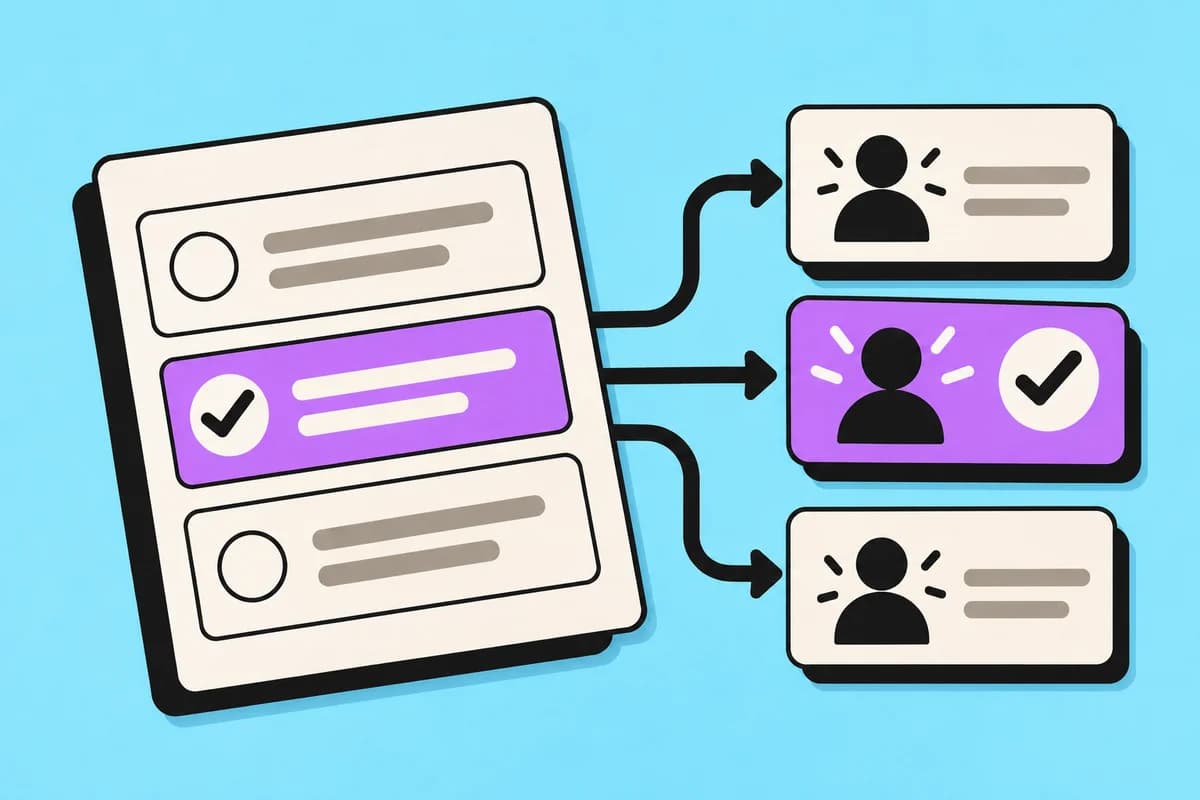
There is a fear that runs through most coaching and education marketing. A quiet worry that if you get too specific, you will leave someone out.
So you soften the language. You make the audience broader. You use terms that could apply to almost anyone. "Entrepreneurs." "Coaches." "People ready to grow."
It feels safe. You have not excluded anyone.
But here is what actually happens. Nobody recognises themselves.
When you speak to everyone, you speak to the middle. And the middle person rarely buys a premium coaching program.
The people who do buy are the ones who felt you were speaking directly to them. Who read something you wrote and thought: this person gets exactly what I am dealing with.
That feeling does not happen by accident. It comes from being specific. And being specific requires courage. Getting specific means consciously not speaking to everyone else.
The financial cost of staying vague is real. You will run ads that do not convert because the message is generic. You will write content that gets polite engagement but does not move anyone to buy. You will build an audience that is technically large but practically unresponsive.
Being specific is not a branding decision. It is an economic one.
"Speaking to everyone is the fastest way to land with no one and pay the highest price per client in the process."
The fear is understandable. You have worked hard to create something that could help a wide range of people. Narrowing feels like throwing opportunity away.
But the people you leave out by getting specific were never going to be your best clients anyway. They might have bought once, if the price was low enough. They would not refer anyone. They would not get the results that become your strongest case studies.
The people who recognise themselves in your specific message are the ones who get results, come back, refer others, and become the stories that bring more people just like them.
Getting specific does not narrow your market. It selects for the part of the market that actually works.
Broad: "Marketing for coaches and consultants." Specific: "Client acquisition systems for online coaches whose offers convert at a call but they cannot figure out how to get people to the call."
Broad: "Leadership development for professionals." Specific: "Executive coaching for senior managers who were promoted for doing great technical work and are now struggling because leading people is a completely different job."
The broad version describes a category. The specific version describes a person in a situation. One lands. One does not.
Being specific also makes content easier to write. You know exactly what problem you are speaking to, what objection sits underneath it, and what outcome will feel like a relief.
Use free tools to inspect your learner journey and choose where to focus next. No account needed.
Explore free tools →When someone searches for help with a problem, they search in specific terms. "How do I get more coaching clients" not "how do I market."
The coach whose content uses specific language shows up in those searches. The coach who writes in general terms does not.
This applies to Google, LinkedIn, YouTube, and the informal searches people do when they ask their network for recommendations. "Do you know anyone who works specifically with education businesses on their client acquisition?" That specific question only gets a specific answer.
Generic language cannot capture specific searches. And specific searches are where the intent is highest.
Here is a test for how specific you are. Can you write the one sentence your best client says to themselves at 11pm when they cannot sleep?
Not their job title. Not their income range. One sentence, in their words, about the specific thing they are worried about or wanting right now.
If you cannot write that sentence, your audience is still too broad. You are thinking in categories, not in people.
When you can write that sentence honestly, your content almost writes itself. You know what they are actually feeling. And you write to that feeling instead of to a profile.
Here is what happens when you get specific enough.
More people recognise themselves.
Not the wrong people. The right people. And the right people share with other right people. Your content travels further because it is specific enough to be worth sharing. "You have to read this, it is exactly what I was dealing with" is the best way your content will ever spread. And it only happens when you are specific enough to ring true.
Generic content gets polite engagement. Specific content gets forwarded.
Start with your three best clients. The ones who got results, referred people, and made the work feel easy.
Write down what they had in common. Not the demographics. The situation they were in when they found you. The specific thing they were trying to solve. The obstacle they had already tried to get around and failed at.
That is your audience.
Then write to that audience with enough specificity that when the right person reads it, they think you wrote it for them. Because you did.
The wrong people will filter themselves out. That is not a cost. That is the system working.
Use free tools to inspect your learner journey and choose where to focus next. No account needed.
Explore free tools →Keep reading

I write about building belief, earning useful attention, and closing the gap before the ask. The freshest thinking lands on LinkedIn first.